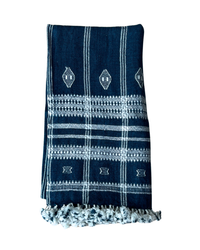


It was such a joy to hear from Kate Forman all about her beautiful approach to decorating with vintage textiles. I’ve always admired how Kate brings history and soul into her interiors. The way she layers vintage kantha quilts, saris, and antique fabrics with such ease feels effortlessly timeless. There’s a quiet confidence in her work: a celebration of pattern, texture, and the gentle charm of imperfection that makes every room feel truly lived in.
For those who don’t already know the wonderful world of Kate Forman, her story is an inspiring one. After many years in antiques and interior design, Kate established her textile business in 2004. Drawing on her deep knowledge and passion for vintage fabrics, she launched her first collection inspired by nineteenth-century French designs; a look that has since become her unmistakable signature. Over the years, she has expanded her range into a culturally eclectic mix of patterns, colours and textures, introducing a more contemporary palette that captures the relaxed, informal atmosphere she loves so much. Today, Kate Forman is an established and much-loved brand, known for its distinctive yet timeless style. Her versatile fabric designs bring warmth and character to interiors around the world, from private homes to renowned boutique hotels such as Kit Kemp’s Firmdale Hotels, Soho Farmhouse in Oxfordshire, The Pig in Dorset, and Hound Lodge at Goodwood.
I love how Kate effortlessly mixes her new designs with vintage textiles; it’s truly inspiring. Her work is a masterclass in blending the old with the new, and it’s an absolute honour to have her answer my questions and share her thoughts on how vintage textiles can inspire and transform your home.
How do you go about incorporating them into your work?
I often start a project with something vintage; a rug, a piece of embroidery, or a beautiful old textile. These pieces have such soul and history that they often dictate the direction of a whole room. For example, I recently found an incredible vintage Ikat that had been stretched onto a board. Its deep pinks, purples and greens became the inspiration for an entire kitchen design. I love that starting with something vintage gives a space an instant sense of character and individuality.
How best to display them?
Vintage textiles deserve to be seen and appreciated, not hidden away. I love using them as throws and cushions draped over the backs of sofas and chairs, bed throws, table covers, wall art, or even upholstered onto ottomans. Framing them can also be a wonderful way to celebrate their artistry. For instance, an antique costume or embroidered panel makes a striking and unexpected piece of wall art. Framing a vintage Afghan dress, for example, brings not only colour but also texture and craftsmanship into a room, offering an alternative to traditional artwork.
Where to start when using vintage textiles? Can they inspire a whole scheme?
Absolutely they often do! Starting with a textile is one of my favourite ways to build a room scheme. The colours, patterns and textures provide a ready-made palette to draw from. Whether it’s the faded indigo of an old quilt or the intricate weave of a kilim, these details can guide the choice of paint, furniture, and accessories. A single vintage piece can become the heartbeat of a space.
Unique creative ways of working with vintage textiles?
I love the idea of reimagining textiles beyond their original purpose. Turning fragments into bordered cushions, upholstering the inside panels of a cabinet, or even using smaller pieces as trims on curtains and blinds adds a touch of history and craftsmanship without overwhelming a space. Another lovely idea is to layer different textiles together; a patchwork of eras and origins that feels collected over time.
Why do you love working with vintage textiles?
I’ve always collected antique and vintage textiles. I’m slightly obsessed! There’s something incredibly special about the imperfections and patina of age. They bring warmth, softness, and a relaxed atmosphere that new fabrics can’t replicate. Each piece tells a story: of where it came from, who made it, and how it survived. They make a home feel more personal, more human.
Why would you recommend others to work with vintage textiles?
Because they add instant depth and authenticity. Vintage textiles have a way of grounding a space and making it feel lived-in and loved. They’re also a more sustainable choice; reusing and celebrating what already exists rather than constantly buying new. Whether you’re a designer or a homeowner, vintage fabrics encourage creativity and a sense of discovery.
What would your top 3 tips be for anyone looking to start using vintage textiles?
-
Check the condition - Make sure the fabric isn’t too fragile, especially if you’re using it for cushions, upholstery, or footstools.
- Protect from sunlight - Keep vintage pieces away from harsh direct light to prevent fading.
-
Think creatively - If you only have a small piece, don’t be afraid to use it as a border or detail on cushions, blinds, or lampshades. Sometimes, a little goes a long way.
Most of all; have fun with it. Vintage textiles are about emotion and atmosphere a sense of the past meeting the present.
by Chloe Jonason